
Maximizing Asset Lifecycle: The Strategic Value of Managed CMMS
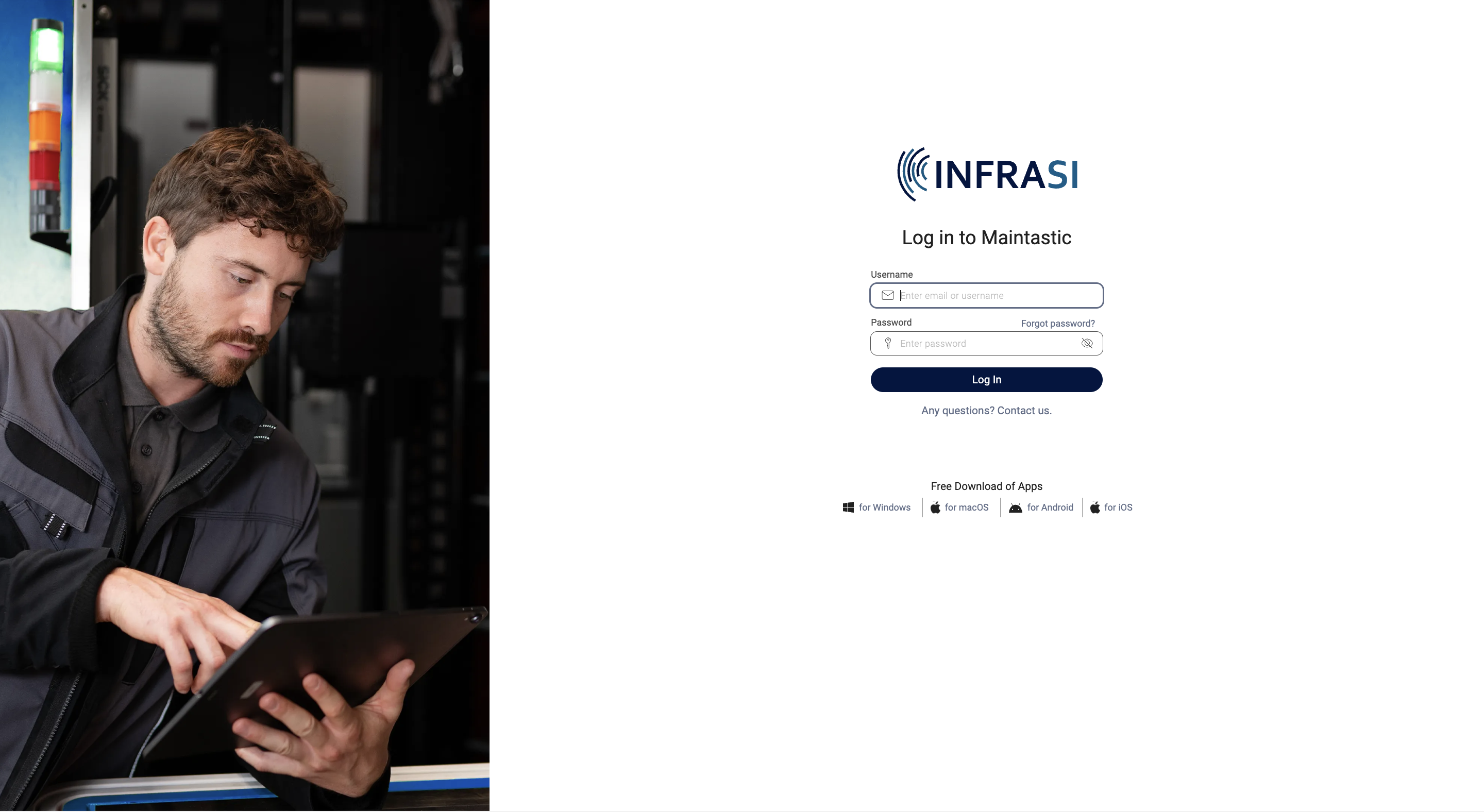
In complex operational environments—from municipal public works to high-volume manufacturing—the difference between a profitable facility and a "firefighting" operation often comes down to how maintenance is managed. Traditionally, organizations relied on reactive "break-fix" models or disconnected spreadsheets. In 2026, the industry standard has shifted to Managed CMMS (Computerized Maintenance Management System).
INFRASI provides a fully integrated, managed approach to CMMS that turns maintenance from a cost center into a strategic performance engine. By acting as a single partner across the full lifecycle, we ensure your maintenance platform is not just a digital filing cabinet, but a driver of operational intelligence.
1. Eliminating the "Fragmentation Gap"
Most organizations struggle with disconnected systems where maintenance data lives in a silo separate from IT and operational infrastructure. INFRASI’s Managed CMMS closes this gap by integrating your maintenance platform directly with your IoT sensors.
- Unified Visibility: Gain a single operational view across multiple facilities, fleets, and infrastructure systems.
- End-to-End Ownership: Rather than delivering isolated software, INFRASI manages the deployment, vendor coordination, and ongoing support, so your team can focus on execution rather than system administration.
- Vendor-Agnostic Design: We select and integrate the best-fit maintenance technologies for your specific environment, ensuring you aren't locked into a single product that may not scale.
2. Moving from Reactive to Predictive Operations
The core value of a Managed CMMS lies in its ability to facilitate a shift from reactive repairs to data-driven, predictive maintenance.
- IoT-Triggered Work Orders: By connecting sensors (vibration, temperature, and fluid levels) to your CMMS, the system automatically generates work orders based on actual asset condition rather than arbitrary calendar dates.
- Reduced Unplanned Downtime: Early detection of mechanical anomalies allows for repairs during scheduled maintenance windows, preventing catastrophic failures that disrupt service delivery.
- Condition-Based Reporting: Leverage real-time data to support data-driven decision-making for resource allocation and long-term capital planning.
3. Operational Benefits for Every Stakeholder
A Managed CMMS provides specialized value across various organizational roles:
| Stakeholder | Key Strategic Benefit |
| Director of Facilities |
Ensures uptime, safety, and precise cost control across multi-site operations. |
| Public Works Director |
Improves service reliability and transparency for community-impacted infrastructure. |
| Operations Manager |
Reduces manual effort and streamlines the coordination between technical and operational teams. |
| IT Director |
Ensures the maintenance platform integrates securely with existing IT strategy and data security standards. |
4. The INFRASI "Smart Start" for CMMS
Implementing a CMMS can be complex and carries the risk of operational disruption. INFRASI mitigates this through a low-risk, phased implementation model:
- Assessment & Planning: We identify your critical assets and existing maintenance gaps.
- Smart Start (Pilot): We deploy the CMMS for a specific department or facility to validate success criteria and gather real-world data.
- Optimization: Based on pilot feedback, we refine workflows and automation triggers before the full rollout.
- Phased Rollout: Full deployment across your broader environment, supported by comprehensive training and onboarding for your staff.
The Managed Advantage: "CMMS is no longer just about tracking work orders; it’s about capturing organizational intelligence. By choosing a managed approach, you ensure your infrastructure stays modern, compliant, and optimized for long-term sustainability without overstretching your internal team".